November 12, 2026
The durability of an asphalt surface depends on more than the quality of the materials used during installation. Proper compaction is essential for creating a stable, smooth surface that can withstand traffic, weather, and daily wear. Roller patterns determine how construction crews compact freshly placed asphalt, influencing its density, strength, and long-term performance. By following an appropriate rolling sequence, contractors can help ensure that asphalt paving delivers reliable results and lasting value.
Understanding the Importance of Asphalt Compaction
Compaction reduces air voids within freshly placed asphalt by pressing the aggregate particles and binder into a dense, stable structure. When crews achieve the appropriate density, the pavement becomes better equipped to resist traffic loads, moisture penetration, and premature deterioration.
Insufficient compaction can leave excessive air voids throughout the pavement. These spaces allow water and air to penetrate the surface, accelerating oxidation and increasing the risk of cracking, raveling, and other forms of damage. Poorly compacted asphalt may also deform more easily under repeated vehicle loads.
Excessive or improperly applied rolling can create different problems, including aggregate damage, surface displacement, and an uneven finish. Therefore, crews must use suitable equipment, rolling speeds, and pass sequences to achieve the required density without compromising the material.
Effective asphalt paving depends on controlling these variables throughout the installation process. A consistent roller pattern helps crews achieve uniform compaction across the pavement rather than producing areas with different densities and performance characteristics.
Establishing Consistent Roller Patterns
A roller pattern defines the sequence, direction, speed, and number of passes used to compact asphalt. Establishing this pattern before production begins helps crews coordinate their work and avoid missing sections or repeatedly rolling the same areas for no reason.
The appropriate pattern depends on the pavement's thickness, the asphalt mixture, the type of roller, the underlying surface, and site conditions. Contractors must also account for the available compaction window, as asphalt cools and loses heat. If rolling begins too late, the material may become too stiff to reach the required density.
A well-planned rolling sequence typically includes several stages:
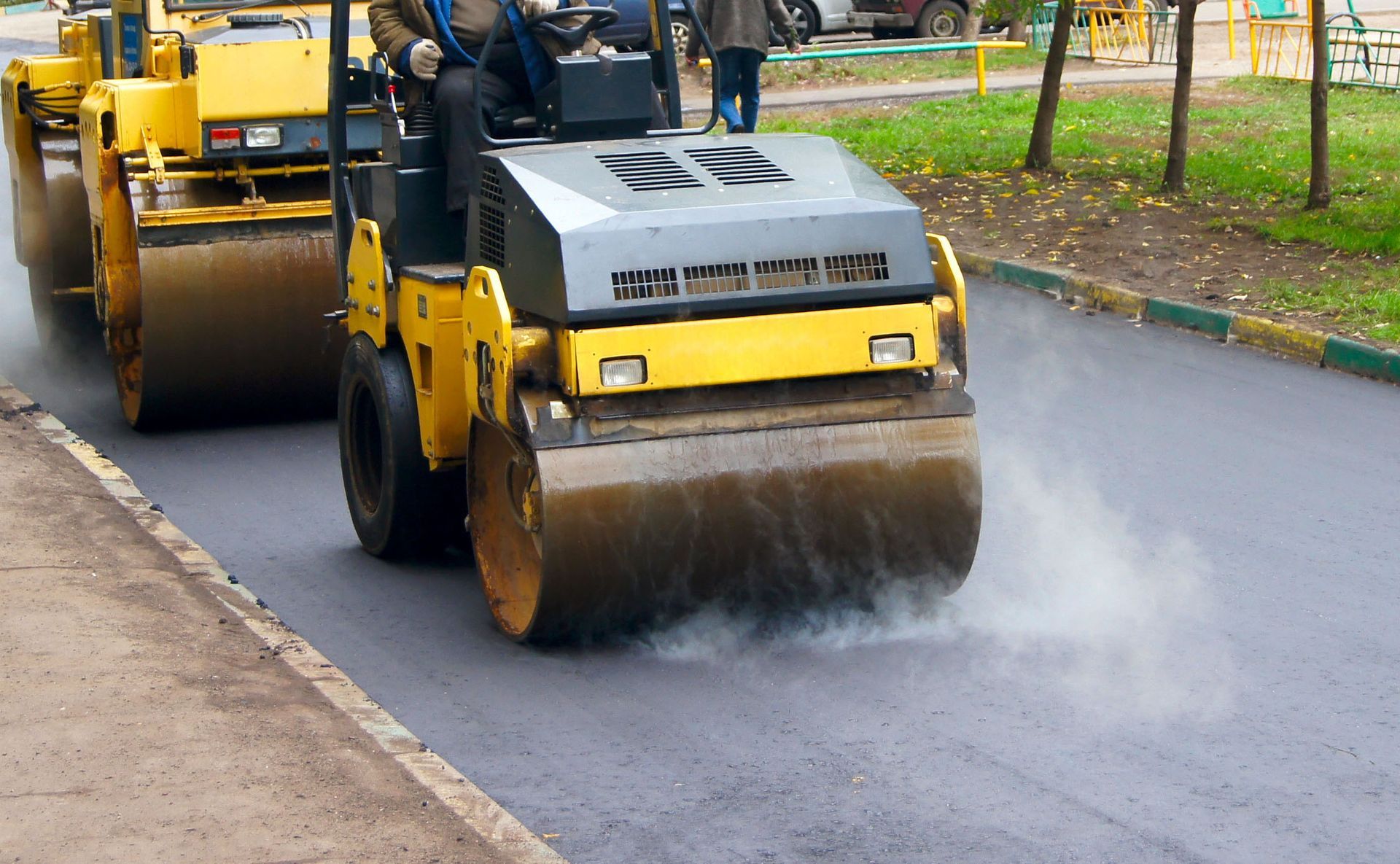
- Initial Rolling: The breakdown roller begins compaction while the asphalt remains hot and workable, establishing density soon after placement.
- Intermediate Rolling: Additional passes increase density and address remaining air voids while the mixture retains sufficient heat.
- Finish Rolling: The final passes help remove roller marks and improve surface smoothness without creating new defects.
The number and timing of passes vary by project. Rather than relying on a universal pattern, an experienced paving crew adjusts its approach to match the mixture, equipment, and specified compaction requirements.
Maintaining Proper Temperature During Rolling
Asphalt temperature directly affects how easily the material can be compacted. Hot asphalt remains workable, allowing roller pressure to rearrange aggregate particles and reduce air voids. As the mixture cools, its resistance to deformation increases, making additional compaction less effective.
Crews must coordinate paving and rolling operations to keep the material within the appropriate temperature range. Delays between placement and initial rolling can reduce the time available to achieve target density, particularly in cool weather, windy conditions, or projects involving thin asphalt lifts.
Roller operators should also avoid moving too quickly through the work area. Excessive speed can prevent consistent compaction and contribute to surface irregularities. Conversely, unnecessary delays or excessive passes may waste time and compromise the quality of the finished surface.
Maintaining the correct temperature and following a consistent rolling sequence helps ensure that asphalt paving achieves the intended density. Coordinated work among the paving crew, material delivery team, and roller operators is essential for maintaining quality from placement through final compaction.
Preventing Uneven Density and Surface Defects
Uniform density is one of the most important outcomes of a proper roller pattern. When some sections receive adequate compaction while others receive too few or poorly timed passes, the pavement may develop inconsistent strength and durability. Proper asphalt paving techniques help crews achieve consistent compaction and reduce the risk of premature pavement failure.
Uneven compaction can contribute to several problems, including premature cracking, surface deformation, water infiltration, and localized deterioration. Roller marks, ridges, and other visible imperfections may also develop when operators use inconsistent speeds, abrupt direction changes, or unsuitable rolling techniques.
Crews can reduce these risks by maintaining controlled overlap between passes and following a planned sequence across the entire paved area. Operators should pay particular attention to longitudinal joints, pavement edges, and areas where equipment has limited maneuverability.
Joints deserve special attention because poorly compacted seams can become entry points for water and debris. Proper rolling helps create a dense connection between adjoining asphalt sections, reducing the likelihood of premature joint failure.
By monitoring density and surface conditions during installation, contractors can identify problems early and adjust their rolling patterns before defects become difficult or expensive to correct.
Selecting Equipment for Effective Compaction
Different rollers perform different functions during asphalt installation. Selecting the right equipment and coordinating its use are essential for achieving the required density without damaging the mixture.
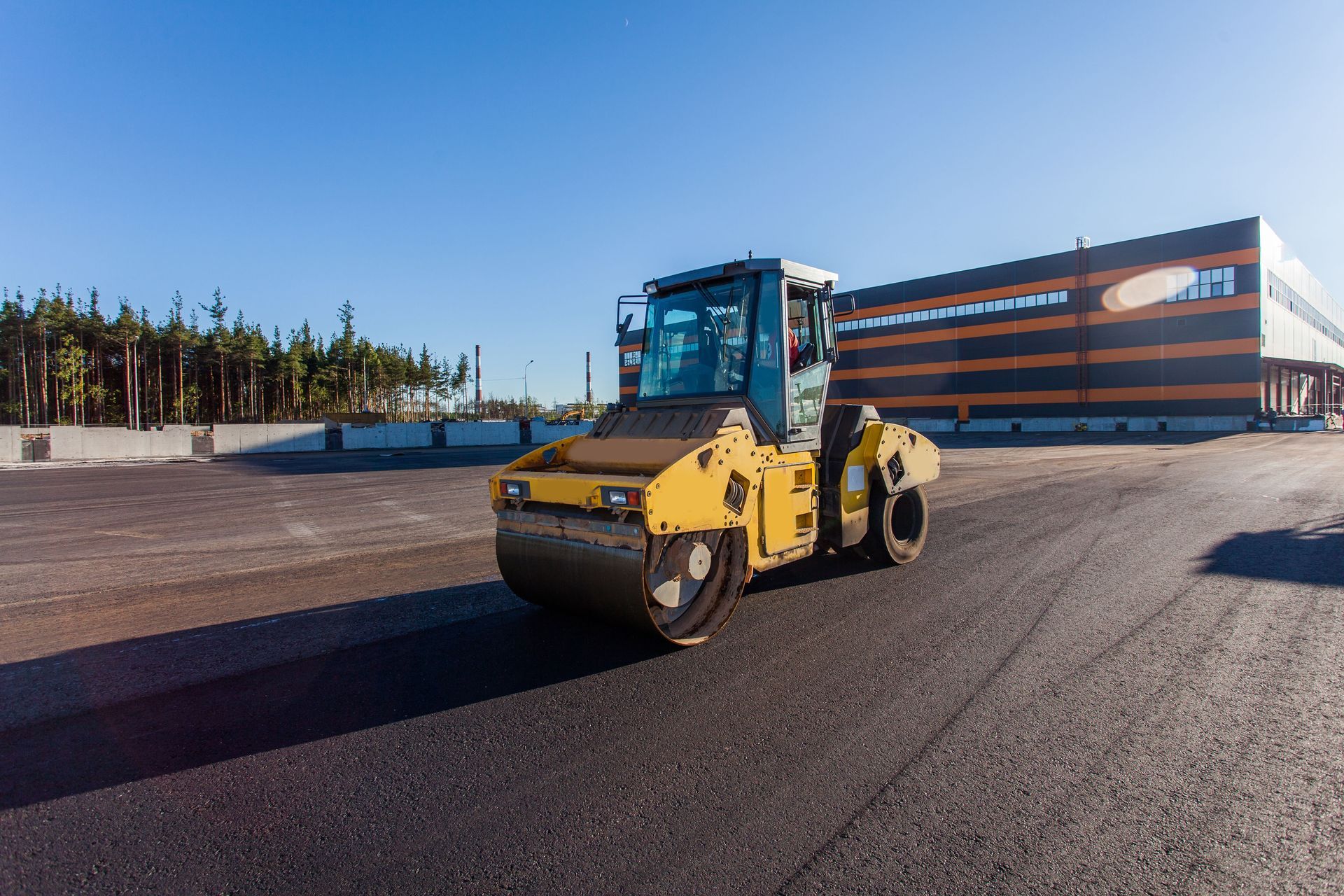
Steel-wheel rollers apply pressure through their drums and are commonly used during breakdown, intermediate, and finish rolling, depending on the equipment and project requirements. Vibratory rollers use vibration to compact asphalt mixtures, while static rollers rely on the machine's weight and drum pressure.
Pneumatic-tired rollers use rubber tires to apply pressure across the surface. Depending on the mixture and project specifications, they can help improve density and produce a more uniform asphalt structure.
Equipment selection should reflect the asphalt mixture, lift thickness, site conditions, and compaction specifications. Operators must also understand each machine's limitations and avoid settings that could damage the aggregate or distort the surface.
Proper equipment coordination helps crews complete asphalt paving efficiently while maintaining consistent quality across the project.
Measuring Density to Verify Rolling Results
Following a planned roller pattern is important, but crews must also verify that their work meets the required compaction standards. Density measurements provide objective information on whether the asphalt has reached the specified compaction level. An experienced contractor uses these results to help ensure asphalt paving meets project specifications and supports long-term pavement durability.
Depending on project requirements, contractors may use approved density gauges, cores, or other testing methods to evaluate the finished pavement. These measurements can reveal areas that require adjustments to rolling procedures, equipment settings, or paving operations.
According to NAPA, asphalt surfaces account for 94% of the approximately 2.8 million miles of paved roads in the United States. This widespread use highlights the importance of proper construction practices in maintaining the performance of asphalt infrastructure.
Quality control should begin during paving rather than after the entire project is complete. Monitoring temperatures, documenting rolling passes, and checking density at appropriate intervals allow crews to identify inconsistencies while corrective action remains possible. These proactive measures help reduce defects, improve consistency, and protect the pavement investment over time.
Extending Pavement Life Through Proper Rolling
Long-lasting asphalt begins with careful planning, suitable materials, and disciplined installation practices. Proper roller patterns help contractors achieve consistent density, reduce air voids, and create a surface better equipped to withstand traffic and environmental exposure.
Although compaction alone cannot prevent every pavement problem, it plays a major role in determining how well asphalt performs over time. When crews coordinate rolling temperatures, equipment, pass sequences, and density checks, they can reduce the risk of premature deterioration and costly repairs.
For property owners seeking durable pavement, working with an experienced contractor is an important step toward achieving reliable results. Contact All About Asphalt today to discuss your asphalt paving project and learn how professional installation practices can help deliver a smooth, durable surface.