November 10, 2026
Asphalt pavement is constantly exposed to traffic, moisture, temperature fluctuations, and ultraviolet radiation, all of which contribute to gradual deterioration. Without regular maintenance, minor surface imperfections can develop into extensive damage that requires costly repairs or complete replacement. Preventive asphalt services help property owners protect their pavement, address developing problems early, and extend its usable life. By following a consistent maintenance plan, businesses and property managers can preserve pavement quality while controlling long-term expenses.
Understanding the Value of Preventive Asphalt Maintenance
Preventive maintenance focuses on protecting asphalt before significant deterioration occurs. Rather than waiting for potholes, widespread cracking, or structural damage to appear, property owners can schedule routine inspections and timely treatments to preserve pavement integrity.
Asphalt naturally changes over time as it absorbs moisture, experiences repeated vehicle loads, and reacts to environmental conditions. Oxidation also causes the asphalt binder to become harder and more brittle, increasing its susceptibility to cracking. Once water enters these cracks, it can weaken the underlying layers and accelerate deterioration.
Preventative asphalt services help slow this process by addressing surface damage, protecting vulnerable areas, and identifying maintenance needs before they become more expensive problems. Although no maintenance strategy can eliminate wear entirely, proactive care can substantially extend pavement life compared with neglecting developing issues.
Identifying Surface Damage Before It Spreads
Routine pavement inspections help property owners recognize early warning signs and determine which maintenance measures are appropriate. Small cracks, surface wear, drainage problems, and localized depressions may appear insignificant at first, but these conditions can worsen with continued traffic and weather exposure.
Inspections should focus on several common indicators of developing pavement problems:
- Cracking: Hairline cracks and interconnected cracking can allow water to penetrate the pavement and weaken its supporting layers.
- Potholes: Small surface failures can expand as traffic dislodges loose asphalt and moisture compromises the surrounding material.
- Drainage Issues: Standing water can accelerate deterioration, particularly when existing cracks provide pathways into the pavement structure.
- Surface Raveling: Loose aggregate and a rough texture may indicate that the asphalt surface is losing cohesion.
- Uneven Areas: Depressions and localized settlement can signal drainage concerns or problems with the underlying base.
Addressing these conditions early helps prevent isolated damage from spreading across larger sections of pavement. Regular assessments also allow property owners to prioritize repairs according to severity, traffic demands, and available maintenance budgets.
Protecting Pavement With Timely Crack Sealing
Crack sealing is an important preventative measure because it limits the amount of water and debris entering vulnerable pavement areas. When cracks remain untreated, moisture can reach the base and subgrade, reducing their ability to support vehicle loads. Repeated traffic can then cause additional cracking, surface displacement, and pothole formation.
Effective crack maintenance begins with evaluating the size, location, and condition of existing cracks. Suitable cracks can be cleaned and filled with appropriate materials to help prevent water intrusion and limit further deterioration. However, severely damaged pavement may require more extensive repairs rather than crack treatment alone.
Timing also matters. Addressing cracks before seasonal temperature changes cause them to widen can reduce the risk of additional damage. Property owners should monitor repaired areas and arrange follow-up maintenance when necessary.
By incorporating crack sealing into a broader pavement care strategy, asphalt services can help preserve surface integrity and reduce the likelihood of premature pavement failure.
Preserving Surface Quality With Sealcoating
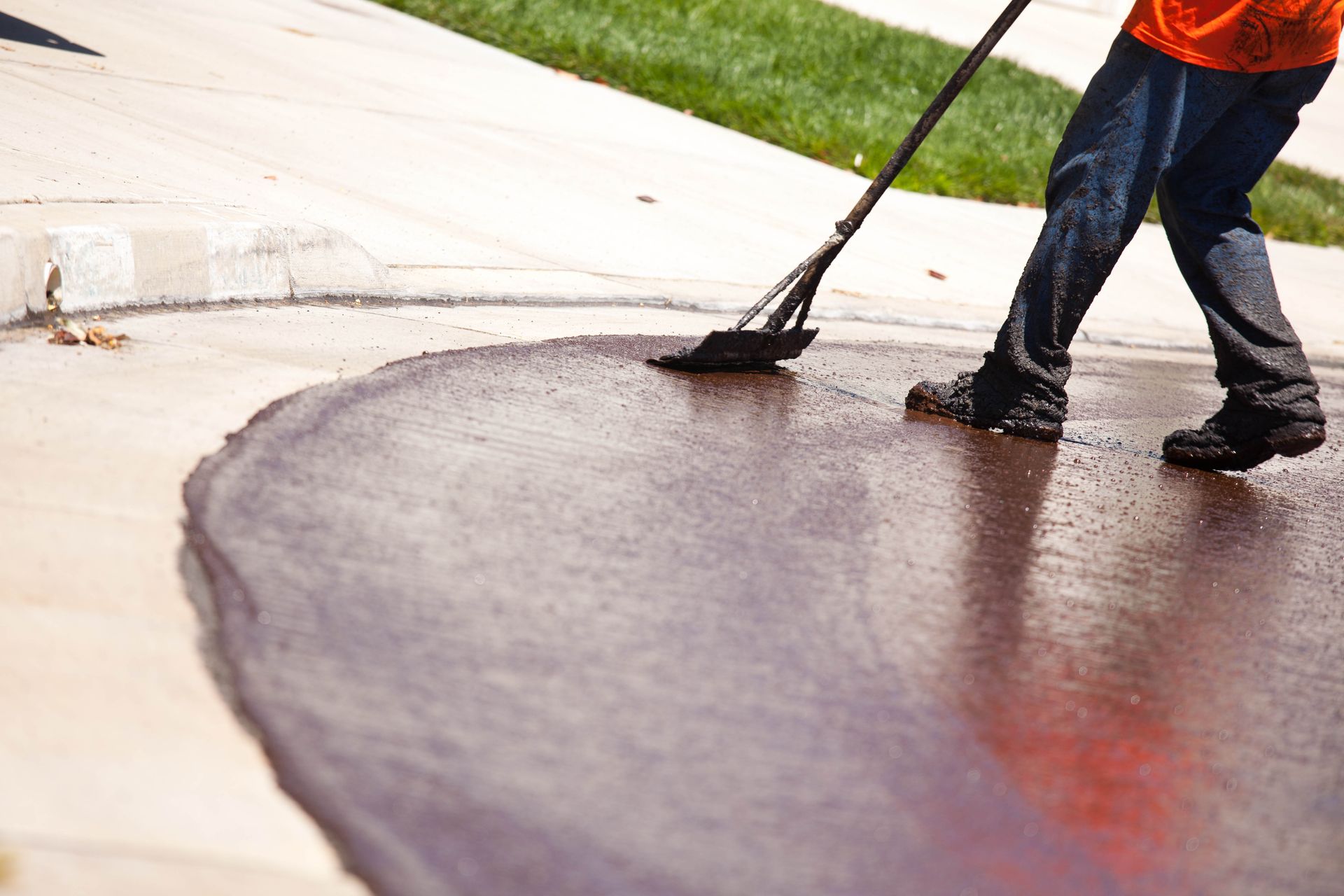
Sealcoating helps protect asphalt surfaces from environmental exposure and everyday wear. A properly applied protective coating reduces direct exposure to sunlight, moisture, and other damaging elements while helping maintain a more uniform surface appearance.
Over time, ultraviolet radiation and oxygen contribute to oxidation, which can make the asphalt binder brittle. Sealcoating helps shield the pavement from these conditions, supporting the surface's ability to withstand routine use. It can also improve the appearance of parking lots and driveways by restoring a more consistent, dark finish.
However, sealcoating is not a substitute for structural repairs. Existing cracks, potholes, and other significant defects should be addressed before the coating is applied. The pavement must also be sufficiently sound and properly prepared to achieve suitable results.
When scheduled based on pavement condition and product requirements, sealcoating can complement other preventive asphalt services. The appropriate application frequency depends on traffic volume, weather exposure, surface condition, and the type of pavement being maintained.
Repairing Damaged Areas With Timely Patching
Patching addresses localized pavement damage before it spreads into surrounding areas. When potholes or deteriorated sections develop, removing compromised material and installing suitable replacement asphalt can restore surface function and help prevent further deterioration.
The effectiveness of a patch depends on proper preparation. Contractors must assess the damaged area, remove unstable material, prepare the underlying base as necessary, and properly compact the replacement asphalt. Simply covering a pothole without addressing the underlying problems may lead to recurring damage.
All About Asphalt offers asphalt patching and repair services that help property owners address these concerns. Incorporating appropriate repairs into a maintenance plan allows property owners to preserve usable pavement and reduce the risk of more extensive restoration work.
Improving Pavement Performance Through Drainage
Effective drainage is essential for maintaining long-lasting asphalt pavement. Water that collects on the surface or penetrates pavement layers can weaken the underlying base, contribute to erosion, and accelerate cracking. These problems become especially concerning when heavy traffic repeatedly loads compromised areas.
Property owners should monitor low spots, standing water, clogged drainage pathways, and areas where runoff collects near pavement edges. Correcting grading problems and addressing damaged sections can help direct water away from vulnerable surfaces.
Drainage improvements may also be necessary before applying protective treatments or completing larger repairs. Asphalt services that address water management help address contributing conditions rather than treating only the visible symptoms of deterioration.
Planning Maintenance to Maximize Pavement Lifespans
Preventative maintenance works best when property owners follow a consistent schedule based on pavement condition, traffic volume, and environmental exposure. Waiting until widespread damage occurs often limits repair options and increases project costs.
According to Future Market Insights Inc., the highway maintenance market was valued at USD 8.80 billion in 2025 and is projected to reach USD 9.17 billion in 2026. The market is forecast to grow to USD 13.84 billion by 2036, reflecting a compound annual growth rate of 4.20%. These projections highlight the ongoing importance of maintaining transportation infrastructure and managing pavement deterioration.
Property owners can establish an effective maintenance plan by taking these steps:
- Schedule periodic inspections to identify developing cracks, surface wear, and drainage concerns.
- Address minor damage before moisture and traffic accelerate deterioration.
- Apply sealcoating when pavement conditions and product recommendations indicate it is appropriate.
- Maintain records of inspections, repairs, and treatments to guide future maintenance decisions.
- Consult an experienced asphalt contractor when damage suggests underlying structural problems.
These practices help property owners direct resources toward the most urgent needs while reducing the likelihood of premature pavement replacement.
Extending Pavement Life With Preventive Care
Preventive maintenance cannot guarantee that every asphalt surface will last twice as long, because pavement longevity depends on installation quality, base preparation, traffic loads, weather, and ongoing care. However, identifying problems early and applying suitable treatments can significantly extend the service life of properly constructed pavement.
A coordinated approach to asphalt services helps protect pavement from moisture intrusion, oxidation, and progressive surface damage. Instead of waiting for major failures, property owners can make informed decisions that support durability, safety, and long-term value.
Contact All About Asphalt today to schedule an assessment and discover how professional asphalt services can help protect your pavement and extend its lifespan.