
Why Asphalt Shingles Remain a Top Choice for Homeowners
November 23, 2026

November 23, 2026

Asphalt shingles have remained one of the most popular residential roofing materials for decades. Their affordability, durability, and versatility make them appealing to homeowners seeking reliable protection without excessive costs. Whether building a new home or replacing an aging roof, understanding their benefits helps property owners make informed decisions.

According to This Old House, 48% of homeowners opt for asphalt shingles, demonstrating their widespread appeal. While residential roofing differs from commercial paving, material quality and professional installation remain important across asphalt-related projects.

At All About Asphalt, we understand the importance of dependable materials and experienced professionals. As commercial asphalt contractors, we recognize how proper installation contributes to long-term performance and property protection.


Understanding the Affordability of Asphalt Shingles

Comparing Initial Material Costs

One advantage of asphalt shingles is their affordable purchase price. Compared with premium materials such as slate, clay tile, and certain metal systems, asphalt shingles generally require a smaller initial investment.

This affordability attracts homeowners managing renovation budgets or unexpected roof replacements. Different shingle grades provide flexibility, allowing property owners to balance appearance, durability, and cost.


Evaluating Installation Expenses

Asphalt shingles are generally easier for trained professionals to install than heavier roofing systems. Their standardized dimensions and familiar installation methods can reduce labor requirements and project timelines.

However, expenses depend on roof size, slope, accessibility, and structural complexity. Professional assessments help homeowners understand the scope of work before committing to a project.


Considering Long-Term Value

Affordability involves more than the purchase price. Homeowners must consider service life, maintenance requirements, and future replacement expenses.

Many asphalt shingle systems last approximately 20 to 30 years under suitable conditions, although performance depends on product quality, climate, ventilation, and installation.

Experienced commercial asphalt contractors understand that long-term value comes from selecting appropriate materials rather than choosing the least expensive option.


Understanding the Durability of Asphalt Shingles

Evaluating Weather Resistance

Asphalt shingles provide protection against common weather conditions, including rain, wind, and temperature changes. Their layered construction helps direct water away from the underlying roof structure.

Different products offer varying levels of wind resistance, making regional weather conditions important during material selection.

Professional roofing contractors can recommend shingles suited to local environmental demands and building requirements.


Evaluating Fire Resistance

Fire resistance is another consideration when selecting roofing materials. Many fiberglass-based asphalt shingles carry a Class A fire rating when installed as part of an approved roofing assembly.

This classification indicates that the system meets established standards for resistance to external fire exposure.

Homeowners should verify product ratings and installation requirements with qualified professionals before making a selection.


Evaluating Impact Resistance

Hail, falling branches, and windblown debris can damage roofing materials. Certain asphalt shingles feature enhanced impact resistance designed to withstand specific testing conditions.

However, resistance varies by product, and no roofing material is completely immune to severe weather damage.

Professional inspections can identify compromised shingles before minor problems develop into extensive deterioration.


Evaluating Expected Lifespan

The lifespan of asphalt shingles depends on material quality, roof ventilation, installation methods, and environmental exposure.

Although some products offer extended manufacturer warranties, warranty coverage should not be confused with guaranteed service life.

At All About Asphalt, we recognize that proper installation and maintenance are essential for protecting investments in asphalt-based materials.


Exploring the Design Versatility of Asphalt Shingles

Comparing Available Styles

Asphalt shingles are available in several styles, including traditional three-tab shingles and dimensional architectural shingles.

Three-tab products provide a uniform appearance, while architectural shingles create depth through layered construction.

These options allow homeowners to select materials that complement their property's architectural character.


Comparing Available Colors

Color selection plays an important role in residential roofing aesthetics. Asphalt shingles come in neutral shades, earth tones, and darker colors that coordinate with exterior finishes.

Homeowners can choose understated colors for a traditional appearance or contrasting shades to create visual interest.

Color can influence roof surface temperatures, making climate conditions worth considering.


Comparing Available Textures

Some architectural shingles resemble premium roofing materials such as wood shakes or slate.

These products offer decorative depth without requiring the same materials or structural considerations associated with certain traditional systems.

Different appearances at varying price points contribute to the popularity of asphalt shingles.


Comparing Architectural Compatibility

Asphalt shingles complement many residential styles, including ranch homes, colonial properties, and contemporary designs.

However, not every product suits every roof. Slope requirements, drainage conditions, and manufacturer specifications must guide selection.

Just as commercial asphalt contractors evaluate applications before recommending paving materials, roofing professionals must consider structural and environmental requirements.


Exploring the Environmental Benefits of Asphalt Shingles

Considering Material Recycling

Asphalt shingles can sometimes be recycled into materials used for paving applications and other construction purposes.

Recycling availability depends on local facilities, material composition, and contamination restrictions. Not every discarded shingle qualifies for processing.

When suitable programs are available, responsible disposal can reduce roofing waste entering landfills.


Considering Energy Efficiency

Certain asphalt shingles incorporate reflective granules that reduce solar heat absorption compared with conventional products.

These specialized shingles may limit roof surface temperatures and reduce cooling demands in appropriate climates.

Actual savings depend on insulation, ventilation, building design, and weather conditions. Homeowners should review product information rather than assuming every shingle provides identical benefits.


Considering Manufacturing Improvements

Roofing manufacturers continue developing products with improved durability, weather resistance, and material efficiency.

Advancements include enhanced protective granules, algae-resistant features, and processes intended to improve product consistency.

These developments provide homeowners with additional roofing options.

For commercial asphalt contractors, material innovation is similarly important because advancements in asphalt technology influence performance, longevity, and maintenance requirements.


Maintaining the Performance of Asphalt Shingles

Scheduling Professional Inspections

Routine inspections identify early deterioration, including missing shingles, damaged flashing, and excessive granule loss.

Professional inspections are particularly valuable following severe storms or when homeowners notice unexplained moisture inside their properties.

Identifying problems early may reduce extensive repairs and protect the underlying structure.


Addressing Common Roofing Problems

Even properly installed asphalt shingles experience wear. Common concerns include curling edges, cracked shingles, damaged seals, and isolated leaks.

Not every problem requires complete replacement. When damage is limited and the remaining system is in good condition, targeted professional repairs may be appropriate.

A qualified roofing contractor can determine whether repairs provide sufficient protection or replacement offers better long-term value.


Planning Preventive Maintenance

Preventive maintenance preserves roofing performance and identifies conditions that could shorten material lifespan.

Professional services may include evaluating drainage systems, inspecting roof penetrations, and identifying damaged components.

Homeowners should avoid attempting roofing repairs without appropriate training and safety equipment.

At All About Asphalt, we understand preventive maintenance. As commercial asphalt contractors, we apply this perspective when evaluating pavement conditions and recommending services.


Recognizing the Continued Popularity of Asphalt Shingles

Understanding Market Availability

Asphalt shingles are widely distributed throughout the United States, making many products accessible through roofing suppliers.

Established supply networks simplify material sourcing and provide homeowners with options across different budgets.

Availability varies by manufacturer, product line, and location, so contractors should confirm inventory before scheduling installation.


Understanding Product Innovation

Manufacturers continue introducing shingles with improved designs, protective coatings, and performance characteristics.

Some products offer enhanced wind resistance, while others incorporate features intended to reduce algae-related discoloration.

These innovations keep asphalt shingles competitive as homeowners seek affordability, appearance, and durability.


Understanding Professional Expertise

The popularity of asphalt shingles does not eliminate the importance of professional installation. Proper fastening, underlayment selection, flashing, and ventilation contribute to roofing performance.

Homeowners benefit from qualified roofing specialists who understand local building codes and manufacturer requirements.

At All About Asphalt, we believe dependable results begin with knowledgeable professionals and appropriate materials. Our experience as commercial asphalt contractors reinforces the importance of careful planning, quality workmanship, and long-term property maintenance. Working with experienced commercial asphalt contractors also helps property owners make informed decisions about material selection, maintenance, and long-term durability.

Whether considering residential roofing materials or professional pavement services, property owners should prioritize durability, suitability, and value. Asphalt shingles remain popular because they combine affordability, design flexibility, and dependable protection when properly installed and maintained.

November 23, 2026
Asphalt pavement is a valuable investment for residential and commercial properties, providing a durable, attractive surface for driveways, parking lots, and roadways. However, even properly installed asphalt requires ongoing maintenance. Without regular attention, weather, heavy traffic, and moisture can lead to cracks, potholes, and premature deterioration. According to This Old House, asphalt paving can last 15 to 20 years with regular sealing. Achieving this lifespan depends on installation quality, environmental conditions, and preventative maintenance. At All About Asphalt, we understand the importance of protecting your pavement investment. Our professional asphalt services help property owners address developing problems and maintain reliable paved surfaces. Here are six ways to extend the lifespan of your asphalt pavement. 1. Schedule Regular Pavement Inspections Identify Early Signs of Deterioration Regular inspections identify pavement problems before they become expensive repairs. Small cracks, fading, uneven surfaces, and standing water can indicate developing issues requiring professional attention. Cracks may initially appear harmless, but they allow moisture to penetrate beneath the pavement. As water reaches the underlying layers, it can weaken the foundation and cause extensive damage. Identifying these concerns early helps prevent deterioration from spreading. Evaluate Seasonal Weather Damage Temperature changes significantly affect asphalt pavement. During warmer months, excessive heat may soften the surface, while colder temperatures can cause contraction and cracking. Repeated fluctuations place additional stress on aging pavement. Professional inspections following extreme weather can reveal otherwise unnoticed damage. Our asphalt services help property owners identify vulnerable areas and determine whether repairs or preventative treatments are necessary. Maintain a Consistent Inspection Schedule Scheduling professional pavement evaluations annually provides an opportunity to monitor surface conditions. Properties experiencing heavy traffic or challenging weather may benefit from more frequent assessments. Keeping records of previous inspections, repairs, and maintenance treatments also helps establish an effective long-term pavement management plan. 2. Invest in Professional Asphalt Sealcoating Protect Against Moisture and Sunlight Sealcoating is an effective preventative treatment for maintaining asphalt pavement. A professionally applied sealcoat creates a protective layer that helps reduce exposure to moisture, sunlight, and environmental conditions. Ultraviolet radiation contributes to asphalt oxidation, making pavement more brittle and vulnerable to cracking. Sealcoating helps slow this process while restoring the dark, uniform appearance associated with well-maintained asphalt. Establish an Appropriate Sealing Schedule Many asphalt surfaces benefit from sealcoating approximately every two to three years, although the appropriate interval depends on traffic levels, pavement condition, and environmental exposure. Applying sealcoat too frequently or under unsuitable conditions can compromise performance. Professional asphalt services help determine when treatment is appropriate and whether existing damage needs attention before sealing. Ensure Proper Surface Preparation Successful sealcoating requires more than applying a protective product. Professionals must evaluate the pavement, address existing cracks, remove contaminants, and select suitable materials. Weather conditions also influence application quality. Dry surfaces and appropriate temperatures support proper curing and adhesion. At All About Asphalt, we recognize that careful preparation and professional application are essential for dependable results. 3. Maintain Effective Pavement Drainage Prevent Standing Water Damage Water is among the most significant threats to asphalt pavement longevity. When moisture accumulates, it can enter cracks and weaken the underlying base. Poor drainage contributes to potholes, depressions, and structural instability. Standing water also creates potential hazards for pedestrians and vehicles. Professional drainage evaluations identify areas where water collects and determine whether grading adjustments or drainage improvements are needed. Address Drainage Design Problems Proper pavement grading allows rainwater to move away from paved areas rather than collecting in low spots. Drainage channels, catch basins, and other systems may be necessary depending on the property's layout. When existing drainage features are inadequate, our asphalt services help property owners evaluate pavement conditions and identify appropriate solutions. Addressing water-related problems promptly helps preserve the pavement foundation. Monitor Drainage System Performance Drainage systems require periodic inspections. Leaves, sediment, and debris can obstruct water movement and contribute to pooling. Property owners should arrange professional evaluations when they notice persistent standing water, erosion near pavement edges, or recurring moisture-related damage. Maintaining functional drainage supports long-term pavement performance. 4. Repair Cracks and Potholes Promptly Address Small Cracks Before They Spread Cracks develop because of temperature fluctuations, traffic pressure, pavement aging, or foundation movement. Although minor damage may seem insignificant, delaying repairs allows deterioration to accelerate. Professional crack filling and sealing limit moisture penetration and reduce further damage. Addressing cracks early can also reduce the need for extensive pavement restoration. Restore Damaged Pavement Sections Potholes develop when pavement loses structural support and traffic repeatedly stresses weakened areas. Beyond affecting appearance, potholes can damage vehicles and create safety concerns. Professional repairs involve evaluating deterioration and selecting an appropriate restoration method. Depending on the damage, repairs may involve patching, removing compromised material, or rebuilding pavement sections. Our asphalt services focus on addressing pavement problems with solutions suited to each surface. Recognize When Resurfacing Is Necessary Not every pavement problem can be resolved through isolated repairs. Extensive cracking, widespread deterioration, and recurring potholes may indicate that resurfacing or replacement is more appropriate. A professional assessment determines whether the pavement foundation remains stable enough to support resurfacing. Making this decision at the right time helps property owners avoid repeated repairs with limited long-term value. 5. Manage Heavy Traffic and Vehicle Loads Understand the Effects of Vehicle Weight Asphalt pavement is designed to support specific traffic conditions. Repeated exposure to heavy vehicles accelerates wear, especially when pavement was intended for lighter traffic. Delivery trucks, commercial equipment, and other heavy vehicles place substantial pressure on paved surfaces. Excessive loading can contribute to rutting, cracking, and structural deterioration. Professional asphalt services help evaluate pavement conditions and recommend improvements for properties experiencing increased traffic demands. Reduce Concentrated Surface Wear Certain parking lot and driveway areas experience greater stress. Entrances, loading zones, turning areas, and frequently used parking spaces deteriorate faster because of repeated vehicle movements. Property owners benefit from professionally designed traffic layouts that distribute vehicle activity effectively. Appropriate pavement thickness, base preparation, and reinforcement may also improve durability in heavily used areas. Plan for Changing Property Needs Traffic patterns change as businesses expand or property usage evolves. Pavement designed for occasional passenger vehicles may not withstand frequent commercial deliveries. Evaluating these changes allows property owners to make informed decisions about maintenance, reinforcement, or pavement upgrades before significant damage occurs. 6. Follow a Consistent Pavement Maintenance Plan Keep Pavement Surfaces Clean Dirt, leaves, oil, and contaminants affect pavement appearance and contribute to deterioration. Accumulated debris may trap moisture, while petroleum-based substances can soften asphalt binders. Routine professional cleaning maintains an attractive surface and allows potential damage to remain visible. Prompt attention to spills and staining can limit their effects on pavement condition. Adjust Maintenance for Seasonal Conditions Different seasons introduce different pavement concerns. Summer heat increases surface stress, while winter moisture and temperature fluctuations may worsen existing cracks. Spring inspections reveal damage caused by colder weather, while fall maintenance provides an opportunity to address vulnerable areas before winter. A seasonal approach helps property owners anticipate changing conditions rather than waiting for severe damage. Develop a Long-Term Maintenance Strategy A comprehensive maintenance plan combines inspections, sealcoating, drainage evaluations, cleaning, and timely repairs. Each service helps preserve pavement condition and reduce unexpected expenses. Rather than scheduling treatments after problems develop, property owners benefit from a preventative strategy tailored to pavement age, usage, and environmental exposure. At All About Asphalt, we believe dependable pavement maintenance begins with understanding each property's needs. Our professional asphalt services help customers make informed decisions about protecting their paved surfaces. Maintaining asphalt pavement requires consistent attention, but preventative care improves long-term performance. Regular inspections, professional sealcoating, effective drainage, timely repairs, and appropriate traffic management contribute to safer, more durable surfaces. Whether you maintain a residential driveway or commercial parking lot, investing in professional asphalt services helps reduce premature deterioration and protect your investment. Contact All About Asphalt to discuss your pavement's condition and learn how our team can help keep your asphalt looking and performing its best.
asphalt paving
November 12, 2026
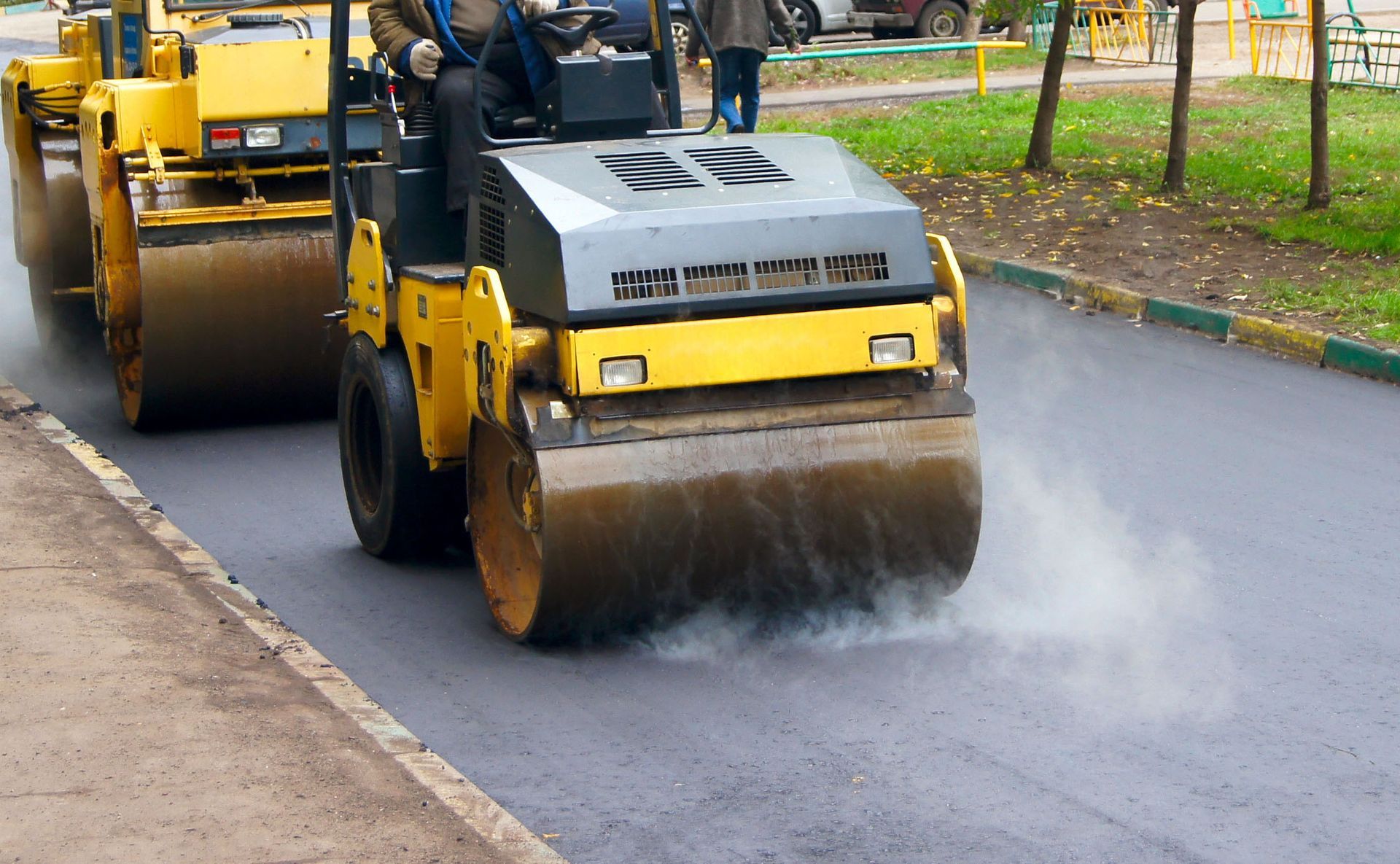
Learn how proper roller patterns improve asphalt compaction, create smooth pavement, prevent surface defects, and help asphalt paving projects last longer.
asphalt contractor
November 11, 2026
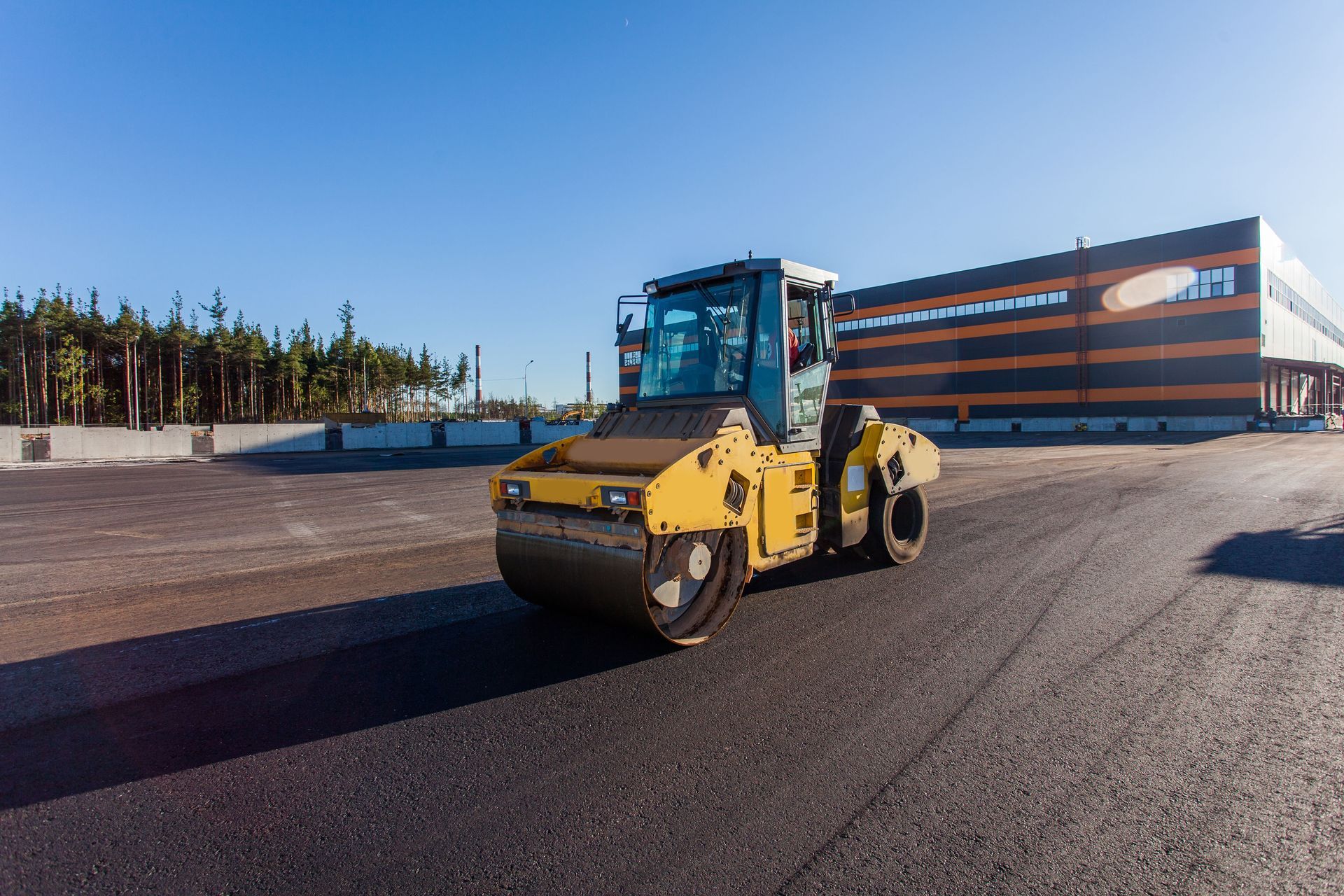
Learn why a licensed asphalt contractor recommends infrared patches to repair damaged pavement, create smooth surfaces, and extend the life of asphalt.
Show More →